
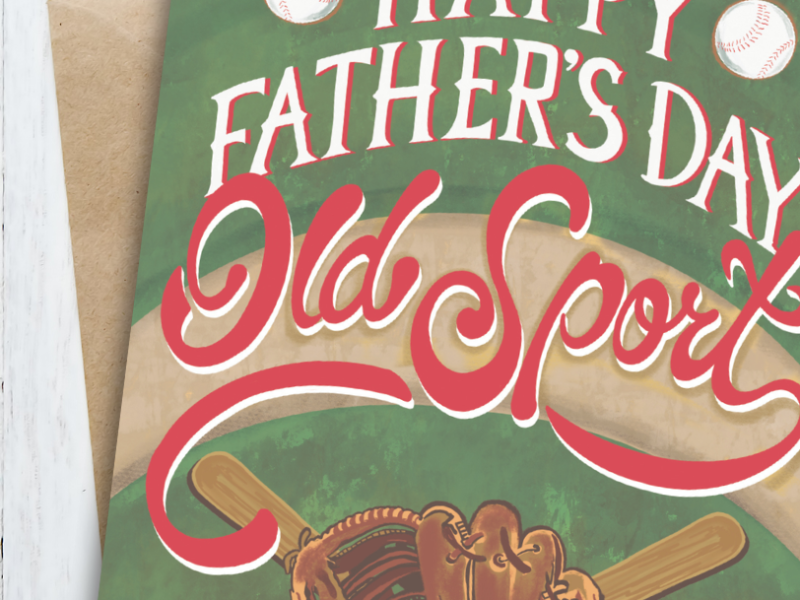
In a world of quick texts and last-minute online orders, a truly personal greeting card stands out because it feels intentional. The best cards don’t just say something nice — they make someone feel seen.
Here are the elements that make a greeting card feel meaningful rather than generic.
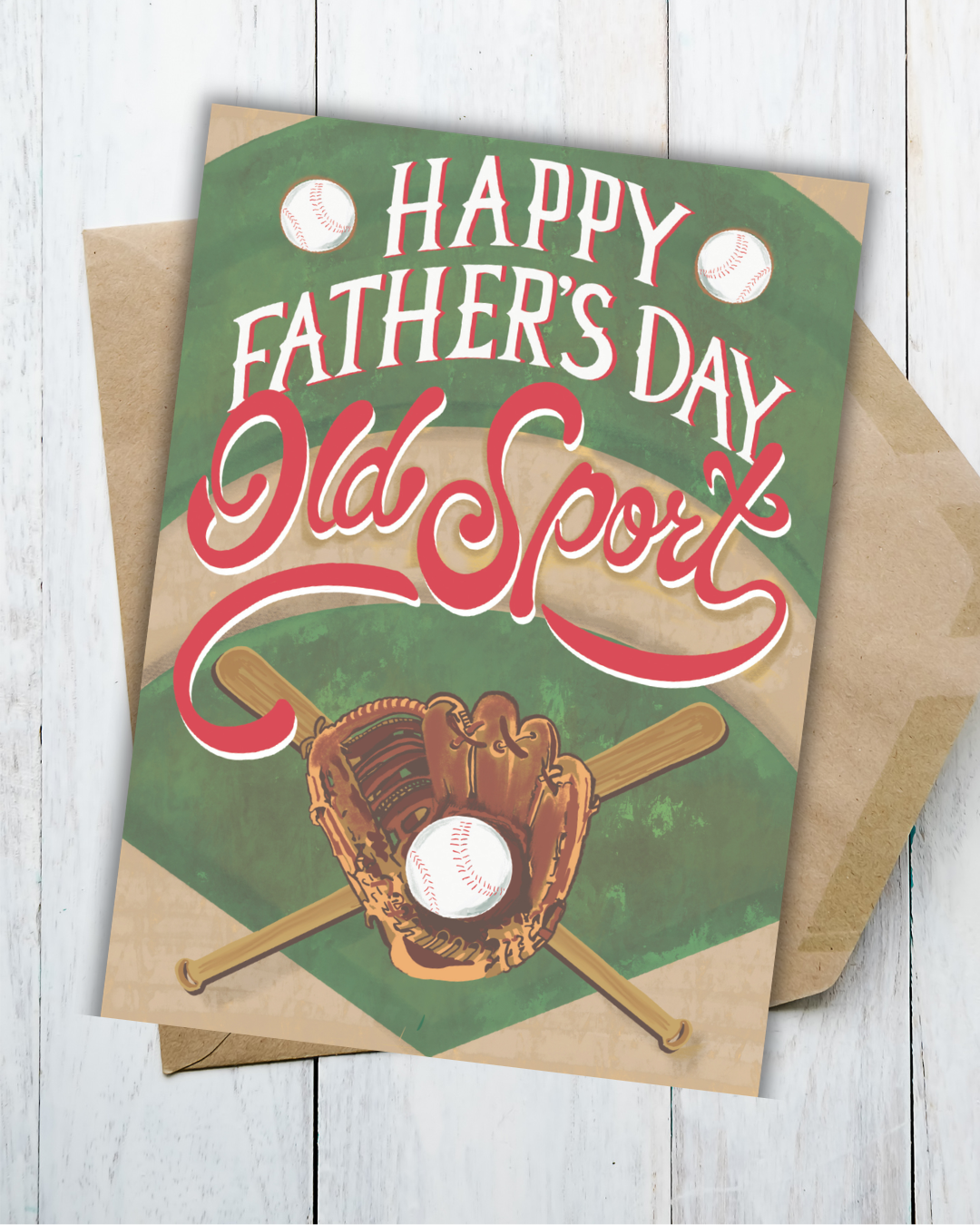
1. Specific Emotion Instead of Generic Sentiment
A personal card captures a recognizable feeling.
Instead of:
- “Happy Mother’s Day”
- “Thinking of You”
- “Congratulations”
…the card hints at a real experience:
- exhausted new motherhood
- long-distance friendship
- grief that’s difficult to put into words
- growing older together
- quiet support during hard seasons
People connect to emotional specificity because it feels honest.
Examples
- “Thanks for always answering the phone.”
- “Proud of the life you’re building.”
- “Motherhood looks beautiful on you.”
- “Still my favorite person to tell everything to.”
Those feel human, not mass-produced.
2. Art Style That Creates Emotion
The illustration style matters just as much as the words.
Soft hand-drawn artwork often feels:
- warmer
- more intimate
- more thoughtful
- less corporate
That’s one reason watercolor florals, hand lettering, vintage botanicals, and imperfect linework continue to resonate so strongly in stationery.
People often buy cards because:
“This reminds me of them.”
Not because the artwork is trendy.
3. White Space Creates Emotional Space
Over-designed cards can feel impersonal because the eye doesn’t know where to rest.
Personal cards often use:
- softer palettes
- restrained layouts
- intentional typography
- breathing room
Minimalism can actually increase emotional impact because the message has room to land.
This is especially true for:
- sympathy cards
- encouragement cards
- milestone cards
- faith-based cards
4. A Sense of Shared Identity
Many successful greeting cards work because they reflect a niche experience or identity.
Examples:
- first-time moms
- plant lovers
- dog owners
- sisters
- long-distance friends
- women in transitional life seasons
- book lovers
- people navigating grief or burnout
The buyer feels:
“This is exactly her.”
That emotional recognition drives purchases.
5. Texture, Imperfection, and Human Touch
Digital perfection can feel cold.
Elements that add warmth:
- visible brush texture
- pencil marks
- organic lettering
- layered paint
- imperfect edges
- vintage-inspired printing aesthetics
These details subtly communicate:
“A person made this.”
That emotional authenticity matters more than technical perfection.
6. Timing and Relevance
The most personal cards often acknowledge moments that aren’t traditionally celebrated.
There’s growing demand for cards about:
- infertility
- miscarriage
- divorce recovery
- mental exhaustion
- career changes
- friendship breakups
- caregiving
- empty nesting
- “thinking of you” without a holiday
People remember cards that arrived during emotionally specific moments.
7. The Inside Message Matters More Than Most Designers Think
Many beautiful cards fail because the interior copy feels generic.
A strong inside message:
- sounds conversational
- avoids clichés
- feels emotionally grounded
- leaves room for the sender’s own note
The best copy often feels simple rather than clever.
Why Personal Cards Sell
People rarely buy greeting cards for themselves.
They buy them to:
- strengthen relationships
- express difficult emotions
- preserve connection
- say what feels hard to say out loud
A personal card acts almost like emotional translation.
That’s why cards with warmth, specificity, and sincerity consistently outperform trend-driven novelty designs over time.
For artists and designers, the goal isn’t just creating something beautiful.
It’s creating something someone immediately wants to send to one particular person.
 Vector Vs. Vector